
Colored Canyon hiking: length and walking time
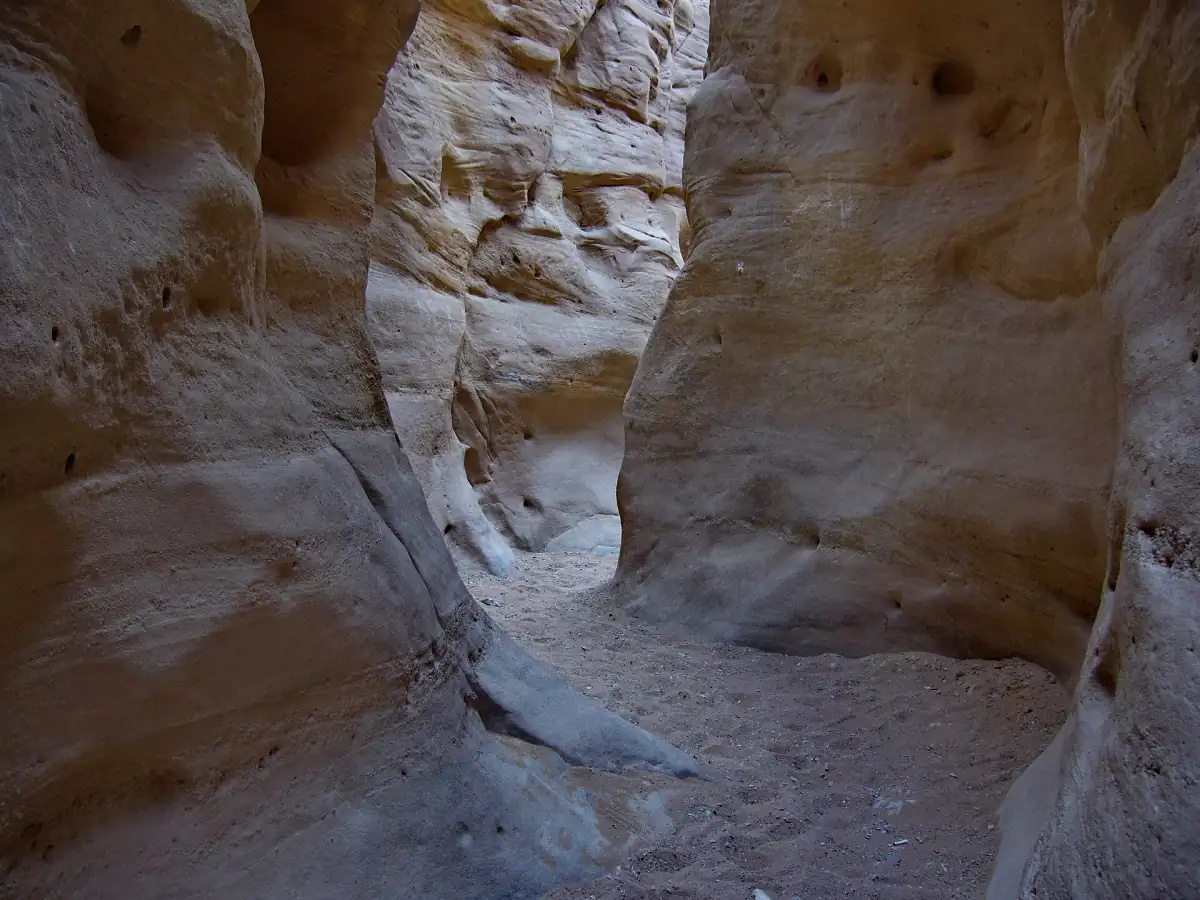
Colored Canyon hiking involves more than following a sandy path between colorful walls. The described terrain includes sand and gravel, narrow passages, rock steps and short climbing sections. Plan the walk around the exact route, the obstacles and the pace of your group. A short-looking section on a photograph can still need careful movement and the use of your hands.
Ask the local organizer which canyon and walking section are planned, and how the approach and return fit into the day. Time allocated to an entire excursion includes transport and other stops, so keep that separate from the walking plan. If your priority is the large canyon near Nuweiba, make that clear when discussing the route. The excursion guide explains how the different canyon names appear in programs.
Narrow passages and rock steps
Between the walls, the practical challenge is the terrain underfoot and the space available for movement. Sand and gravel differ from rock steps, while a tight passage can require you to adjust your position. Keep your attention on each change in the route. Discuss the parts where hand support or a short climbing movement is involved before deciding whether the walk suits you.
White Canyon has its own described ladder and rope entry in a local itinerary. Those features should remain part of that separate route description. The large Colored Canyon is described through its narrow passages, rock steps and short climbing sections. Salama is another distinct canyon. Choose between them using the actual terrain and program, rather than treating their names as interchangeable labels for one walk.
Our pick: guided canyon visit
This trip includes a guided canyon visit; confirm the actual route and current access with the provider before booking.
Hand-picked tours, booked through Viator. Prices are indicative starting prices in US dollars (as of October 2026). Tap a tour for live availability and the current price in your currency.
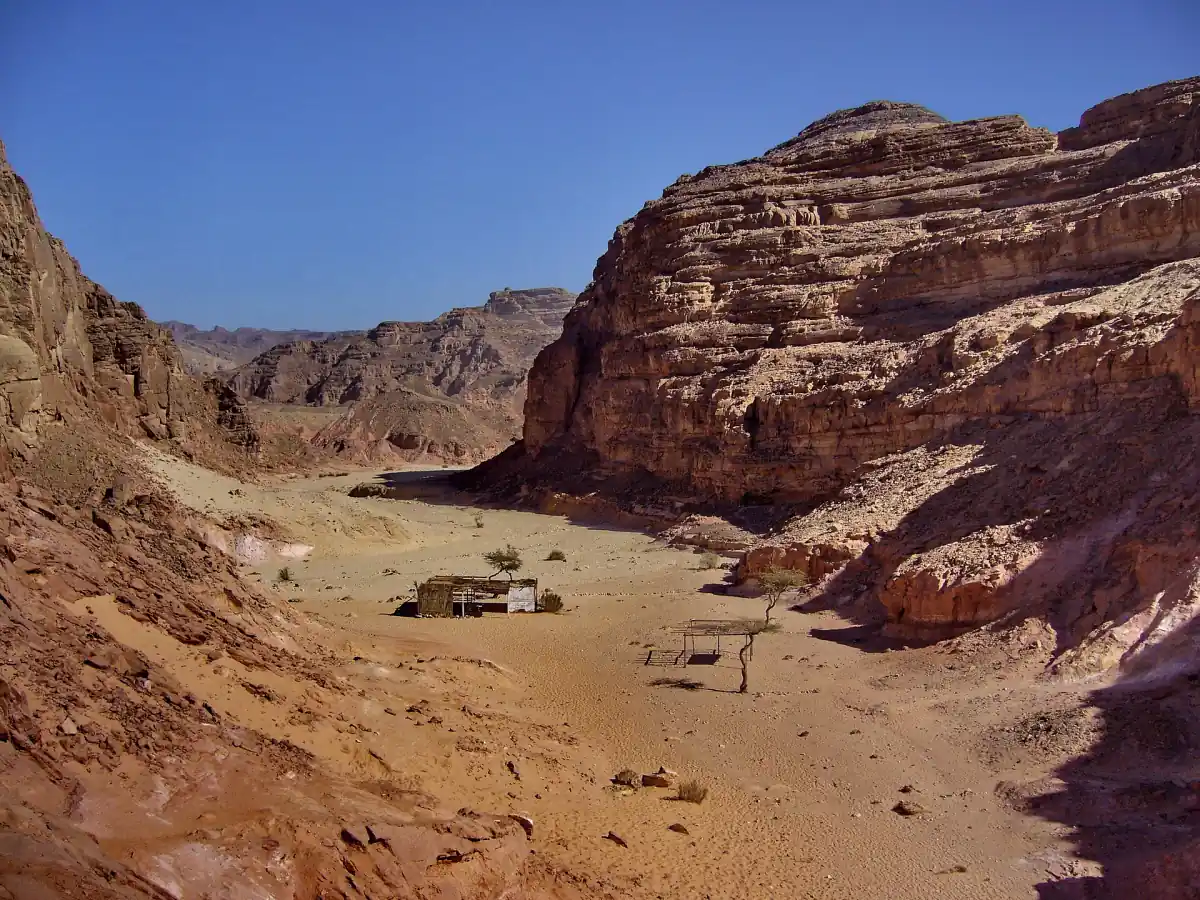
A guided canyon visit within a day trip
This combination includes a guided canyon visit, van and jeep transfers, lunch and free time for snorkeling or swimming at the Blue Hole. Confirm the canyon route, current visit arrangements and meeting point before booking.
Fitness and personal mobility
Local walking programs call for reasonable basic fitness. Think about the movements involved: stepping over uneven rock, using your hands and passing through constricted spaces. Discuss any mobility limitation with the organizer in relation to those movements. The useful question is whether you can manage the planned section, including its approach and return, rather than whether you can cover a certain distance on level ground.
If you are arranging a visit for several people, discuss each person’s needs before settling on a route. A group pace has to account for the passages and pauses within that particular walk. Avoid planning a tight onward appointment from an assumed walking time. Leave the organizer to explain how the route, vehicle journey and other activities fit into the day you are considering.
Equipment, footwear and water
Local operators recommend shoes with a good grip, sun protection and clothing suitable for contact with rock. Choose footwear for uneven sand, gravel and stone rather than just for a coastal stop. Clothing also needs to allow the movements described for the route. Keep these recommendations in mind when packing for a combination that includes both the canyon and time by the sea.
Arrange drinking water for the full outing with the organizer. Consider the vehicle journeys, the walk and the coastal stops together when discussing what to carry. The guided combination shown here includes lunch and free time for snorkeling or swimming at the Blue Hole, alongside van and jeep transfers. Agree the meeting point separately, then organize your day bag around the whole program. Our getting there page separates the coastal transfer from the canyon approach.
Local guides and the canyon approach
Local guidance and four-wheel-drive transport are offered together in desert programs. A guide is useful for discussing the planned passage, the terrain and the visit arrangements. Start that conversation with the named canyon, because the large canyon, White Canyon and Salama are different destinations. Share your mobility concerns while the itinerary is still being arranged, rather than leaving them until the walking section begins.
The Nuweiba tourism guidance recommends discussing whether desert areas can be visited with local people before setting out. Apply that to your chosen date and route. Agree the practical approach, meeting arrangements and what is included in the visit. When choosing a base, compare the actual meeting point with the accommodation areas in Dahab and Nuweiba; the coastal place where you sleep is a separate decision from the canyon entry.
Heat, mountain rain and day planning
Consider heat when selecting your date and the shape of the day. An early departure or a particular light preference needs to be discussed alongside the actual conditions and the walking route. Neither a departure time nor a photograph tells you how the terrain will feel for you. Read the timing and weather guide before combining the walk with other activities.
A local operator warns against entering when rain is forecast in the surrounding mountains: runoff from rain elsewhere can flood narrow passages. Discuss that wider weather picture with the guide before the visit. Consult your government’s current Egypt and Sinai travel advice as part of your preparation. Leave natural material in place and carry your litter away, following the environmental authority’s advice for visits to protected natural areas.
Questions about the canyon walk
How long should I allow for hiking?
Discuss the specific route, its approach, return and group pace with the organizer. The length of a combined excursion includes transport and other stops, so use the planned walking section for your decision.
Is the route just a level path?
The described terrain includes sand, gravel, rock steps, narrow passages and short climbing sections with hand use. Discuss those movements in relation to your mobility.
What footwear is recommended?
Local operators recommend shoes with good grip. Prepare for sand, gravel and contact with rock, and bring sun protection and drinking water for the outing.
Why does mountain rain matter?
Rain elsewhere in the surrounding mountains can send runoff into narrow passages. Discuss the forecast and visit arrangements with the local guide before setting out.